Mold in American Homes: Understanding the Issue and Effective Solutions
Mold is a common problem affecting homes across America. This pervasive issue not only poses health risks but also damages the structural integrity of buildings. Understanding the causes, signs, and solutions for mold growth is crucial for homeowners nationwide. This article aims to shed light on the prevalence of mold in American homes and provide effective solutions for prevention and remediation.
1. Causes of Mold Growth:
a. Moisture: Excessive moisture from leaks, floods, condensation, or high humidity levels provides an ideal environment for mold growth.
b. Poor Ventilation: Inadequate airflow can trap moisture and increase the chances of mold formation.
c. Improper Insulation: Insufficient insulation can lead to cold spots, encouraging moisture accumulation and mold growth.
d. Water Intrusion: Roof leaks, plumbing issues, or faulty foundations can introduce water into the home, creating conditions favorable for mold development.
2. Common Signs of Mold:
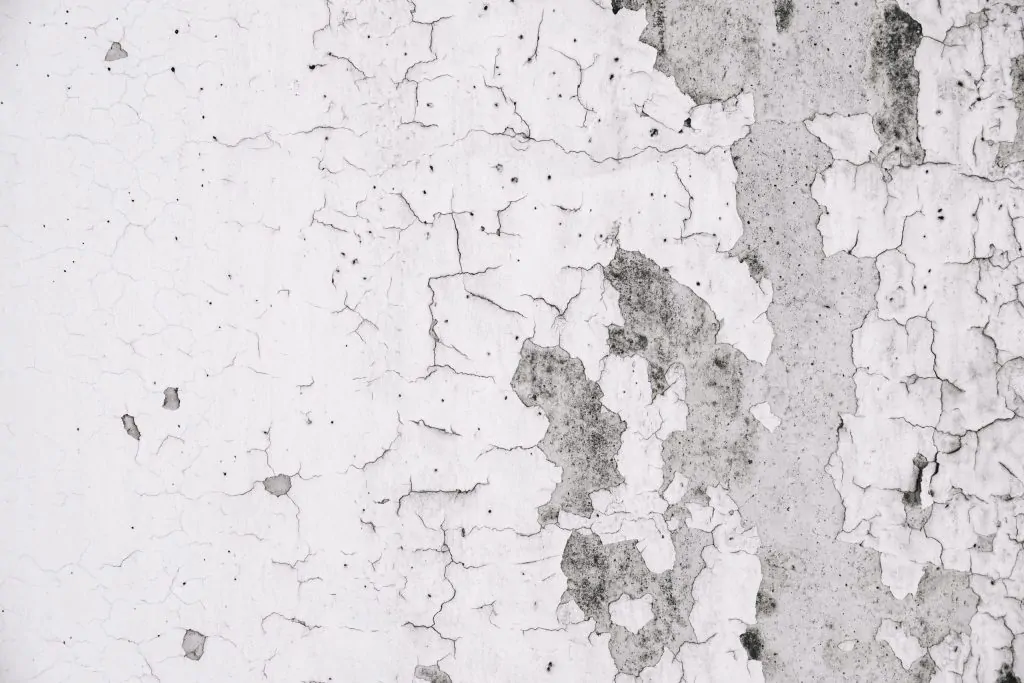
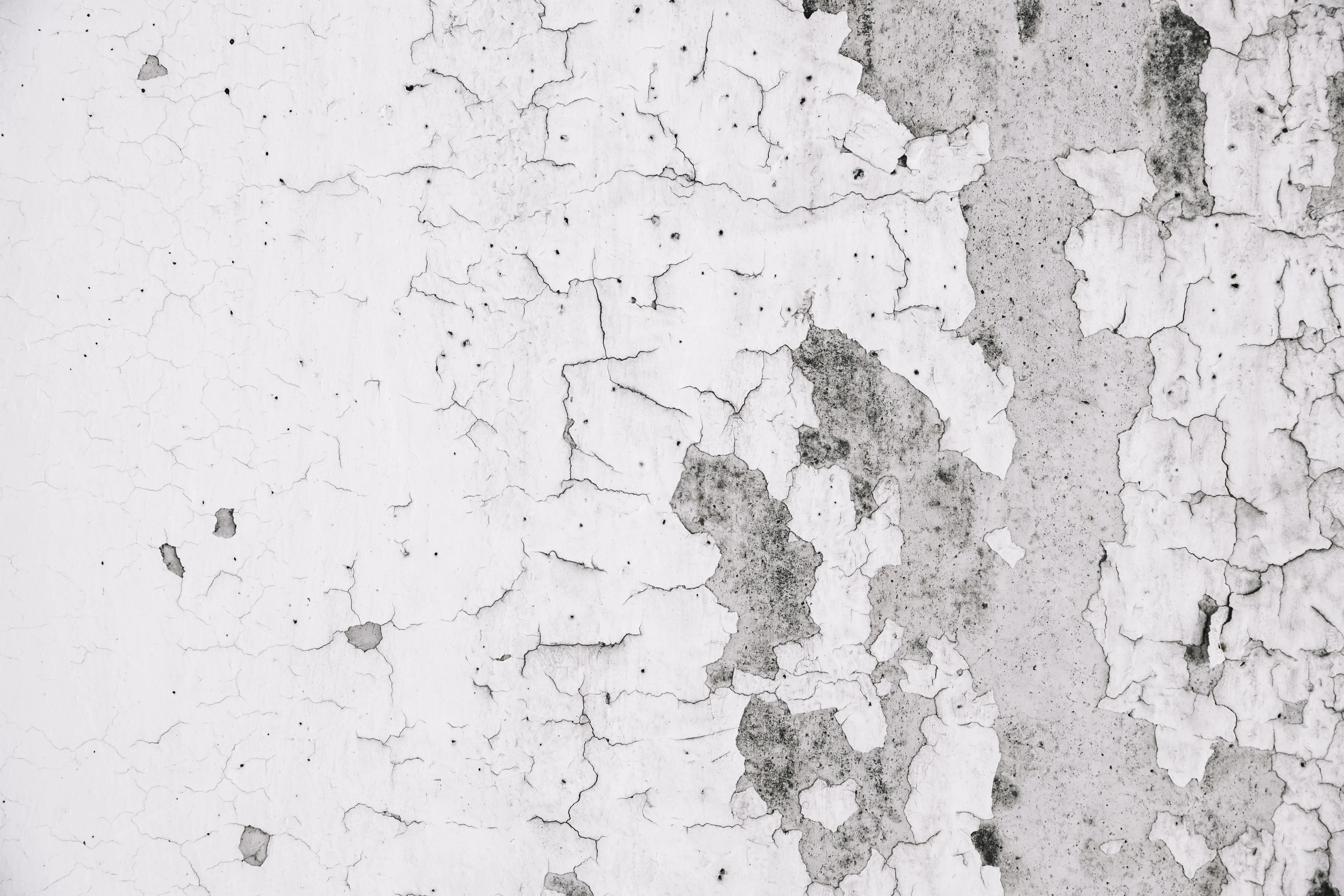
a. Visible Mold: Black, green, or white patches on walls, ceilings, floors, or other surfaces are visible signs of mold growth.
b. Musty Odor: A persistent, earthy smell often indicates the presence of hidden mold even if no visible signs are immediately apparent.
c. Allergic Reactions: Frequent allergic symptoms like sneezing, coughing, nasal congestion, or skin rashes may indicate mold exposure.
d. Water Damage History: Past incidents of leaks or flooding increase the likelihood of mold growth, warranting closer inspection.
3. Health Risks Associated with Mold:
a. Allergies: Mold spores can trigger allergic reactions in sensitive individuals, causing respiratory problems, skin irritation, or eye irritation.
b. Asthma Attacks: Mold exposure can exacerbate asthma symptoms, leading to increased wheezing, coughing, and breathing difficulties.
c. Respiratory Infections: Prolonged exposure to mold can heighten the risk of respiratory infections and other respiratory illnesses.
d. Toxic Mold: Certain types of mold, such as Stachybotrys chartarum (black mold), produce mycotoxins that can cause severe health issues when ingested or inhaled over time.
4. Prevention and Remediation:
a. Moisture Control: Address any water leaks promptly, improve ventilation, use dehumidifiers in damp areas, and fix plumbing issues to minimize moisture buildup.
b. Proper Ventilation: Ensure sufficient airflow by using exhaust fans in kitchens and bathrooms and keeping windows open when weather permits.
c. Regular Inspections: Conduct routine checks for signs of water damage, monitor humidity levels, and promptly address any visible mold growth.
d. Professional Mold Remediation: Engage certified mold remediation experts who can effectively assess, contain, remove, and prevent further mold growth using industry-approved techniques and equipment.
5. Homeowner Awareness and Responsibility:
a. Education: Stay informed about mold prevention, early detection, and effective remediation methods by reading reliable sources and seeking professional advice.
b. Insurance Coverage: Review insurance policies to determine coverage for mold-related issues and understand the specific requirements for filing claims.
c. Building Codes and Regulations: Familiarize yourself with local building codes and regulations regarding mold prevention and management during construction or home renovation projects.
Conclusion:
Mold growth in American homes is a prevalent and concerning issue. By understanding the causes, recognizing the signs, and implementing effective prevention and remediation measures, homeowners can safeguard their properties and the well-being of their families. Awareness, prompt action, and seeking professional assistance when necessary are vital in addressing and mitigating mold-related problems. Together, we can create healthier and safer living environments for all.