Mold in Homes: What Homeowners Should Know
Mold is a natural part of the environment, but when excess moisture allows it to grow indoors, it can become an important building and indoor-environment concern. Understanding why mold grows, where to look for it, and how environmental mold testing works can help homeowners make more informed decisions about their indoor environment.
What Causes Mold to Grow in a Home?
Mold growth generally requires moisture. Leaks, flooding, condensation, elevated humidity, and other moisture problems can create conditions where mold may grow on drywall, wood, carpet, insulation, and other building materials.
Common sources of excess indoor moisture include:
- Plumbing or roof leaks
- Flooding or previous water damage
- High indoor humidity
- Condensation
- Poor ventilation
- Damp basements or crawl spaces
- Moisture around bathrooms and kitchens
- HVAC or drainage problems
Finding mold is only part of the investigation. Identifying and correcting the source of moisture is essential to addressing the conditions that allow mold growth.
Common Signs of Mold in a Home
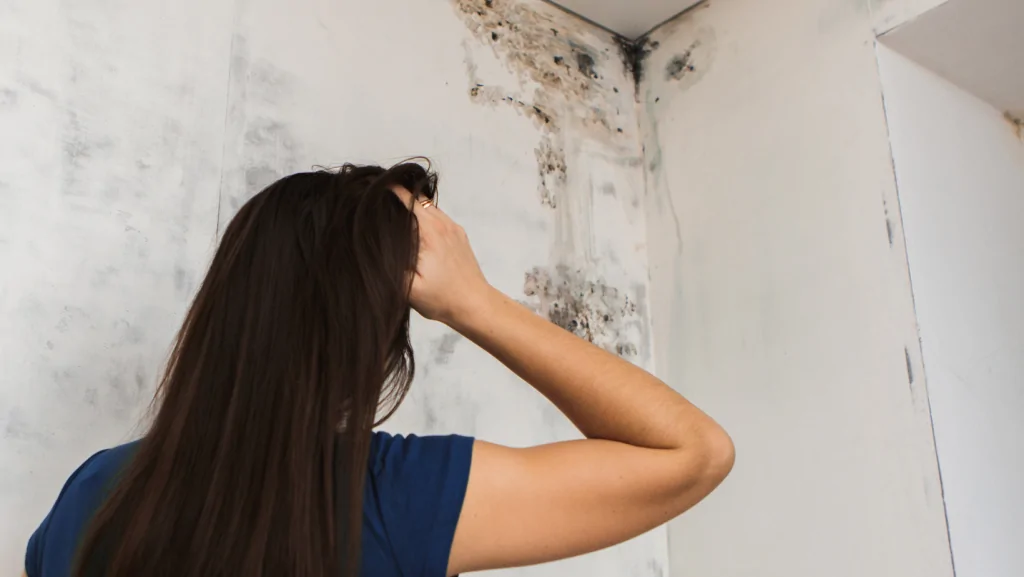
Visible mold is one indication of a potential moisture problem, but mold growth is not always immediately visible.
Some signs that may warrant further investigation include:
- Visible discoloration or mold-like growth
- Musty or earthy odors
- Water stains on walls or ceilings
- Peeling or bubbling paint
- Damp building materials
- Persistent condensation
- Evidence of previous leaks or flooding
Where Is Mold Commonly Found?
Areas that experience moisture or elevated humidity deserve particular attention. These may include bathrooms, kitchens, basements, crawl spaces, attics, areas around windows, HVAC systems, and locations affected by previous leaks or water intrusion.
The presence of moisture does not automatically mean significant mold growth is present, but it can indicate conditions that warrant further investigation.
Can Mold Affect Indoor Environments?
Indoor mold can release spores and other fungal particles into the surrounding environment. The types and amounts of fungal material present can vary depending on moisture conditions, building characteristics, and other environmental factors.
Individual responses to mold exposure can vary considerably. If you have questions about symptoms or personal health concerns, consult an appropriate healthcare professional.
How Do You Test a Home for Mold?
There is no single mold testing method that answers every question. Different environmental testing methods provide different types of information depending on what you are trying to understand.
Visual Inspection
A building inspection can help identify visible mold-like growth, moisture intrusion, water damage, and conditions that may support mold growth.
Air Sampling
Air sampling evaluates airborne fungal particles during a particular sampling period. Because airborne concentrations can change with environmental conditions, air samples represent conditions at the time and location where the sample was collected.
Dust-Based Mold Testing
Dust testing provides another way to examine fungal material that has accumulated in an indoor environment. DNA-based laboratory methods can identify and quantify specific fungal species present in collected dust.
What Is an ERMI Mold Test?
ERMI (Environmental Relative Moldiness Index) is a DNA-based approach used to evaluate selected mold species found in dust.
Rather than relying solely on what is airborne at a particular moment, dust-based testing can provide information about fungal material that has accumulated within an indoor environment.
The EnviroBiomics ERMI Mold Test analyzes 36 mold species using DNA-based testing and provides quantitative results along with an ERMI score.
Want a Closer Look at the Mold Profile in Your Home?
Explore DNA-based environmental testing designed to provide detailed information about molds detected in your dust sample.
Explore the ERMI Mold TestERMI vs. Other Mold Testing Methods
Different mold assessment methods answer different questions. Understanding what each method measures can help determine which approach is appropriate for an environmental investigation.
| Method | What It Examines | Useful For |
|---|---|---|
| Visual Inspection | Visible moisture, damage, and mold-like growth | Identifying potential moisture and mold sources |
| Air Sampling | Airborne fungal particles | Evaluating airborne conditions during sampling |
| Dust Testing | Fungal material accumulated in dust | Characterizing fungi present in the indoor environment |
| ERMI | DNA from 36 selected mold species | Obtaining a quantitative DNA-based mold profile |
No single environmental test should be interpreted in isolation. Results are most useful when considered alongside the building's moisture history, visual inspection, and other relevant environmental information.
When Should You Consider Mold Testing?
Environmental mold testing may provide additional information about an indoor environment, particularly when there is:
- A history of water damage
- Suspected hidden mold
- Persistent moisture problems
- Musty odors without an obvious source
- A need for additional environmental information
- A need to better characterize molds present in indoor dust
Testing does not replace a thorough building investigation when a moisture problem or visible mold is present.
How to Help Prevent Mold Growth
One of the most important ways to reduce the likelihood of indoor mold growth is to control moisture.
Homeowners can:
- Repair plumbing and roof leaks promptly.
- Address water intrusion and flooding.
- Maintain appropriate indoor humidity.
- Improve ventilation in moisture-prone areas.
- Dry wet materials as quickly as possible.
- Watch for recurring condensation.
- Maintain HVAC and drainage systems.
- Investigate recurring moisture problems.
The goal is not to create a completely mold-free environment—mold exists naturally—but rather to prevent moisture conditions that allow unwanted indoor mold growth.
Frequently Asked Questions About Mold in Homes
Can you have mold in your home without seeing it?
Yes. Mold growth can sometimes occur in concealed areas such as behind walls, beneath flooring, around plumbing, or in other areas affected by moisture.
What causes mold to grow indoors?
Excess moisture is a primary factor. Leaks, flooding, condensation, high humidity, and inadequate ventilation can create conditions favorable to mold growth.
Is an ERMI test the same as an air mold test?
No. ERMI uses DNA-based analysis of dust to quantify selected mold species, while air sampling examines fungal particles present in an air sample during the collection period.
Can mold testing tell me if my home is safe?
Environmental testing provides information about what was detected in the sample. Results should be interpreted alongside the condition of the building, moisture history, inspection findings, and the purpose of the investigation.
Does a mold test diagnose health problems?
No. Environmental mold testing does not diagnose medical conditions. Questions regarding symptoms or potential health effects should be discussed with a qualified healthcare professional.
Understand What's in Your Indoor Environment
Concerned about mold or previous water damage in your home? EnviroBiomics provides advanced laboratory testing designed to help you better understand your indoor environment.