The Role of Indoor Environmental Professionals (IEPs) in Ensuring Healthy Indoor Environments
In recent years, there has been growing awareness about the importance of indoor air quality and its impact on our health and well-being. This increased concern has led to the emergence of a specialized field known as Indoor Environmental Professionals (IEPs). In this article, we will explore the crucial role of IEPs in assessing and improving indoor environmental quality for homes, workplaces, and public spaces.
The Role of IEPs:
Indoor Environmental Professionals are highly trained individuals who specialize in identifying and mitigating various indoor environmental hazards. Their primary objective is to evaluate the quality of indoor environments and develop strategies to create healthier spaces. Some key responsibilities of IEPs include:
- Indoor Air Quality Assessments:
IEPs utilize their expertise to assess indoor air quality, which involves evaluating factors such as temperature, humidity, carbon dioxide levels, and the presence of airborne pollutants. They use sophisticated monitoring equipment to measure and analyze these elements, providing valuable insights into potential sources of indoor air pollution. - Identification of Environmental Hazards:
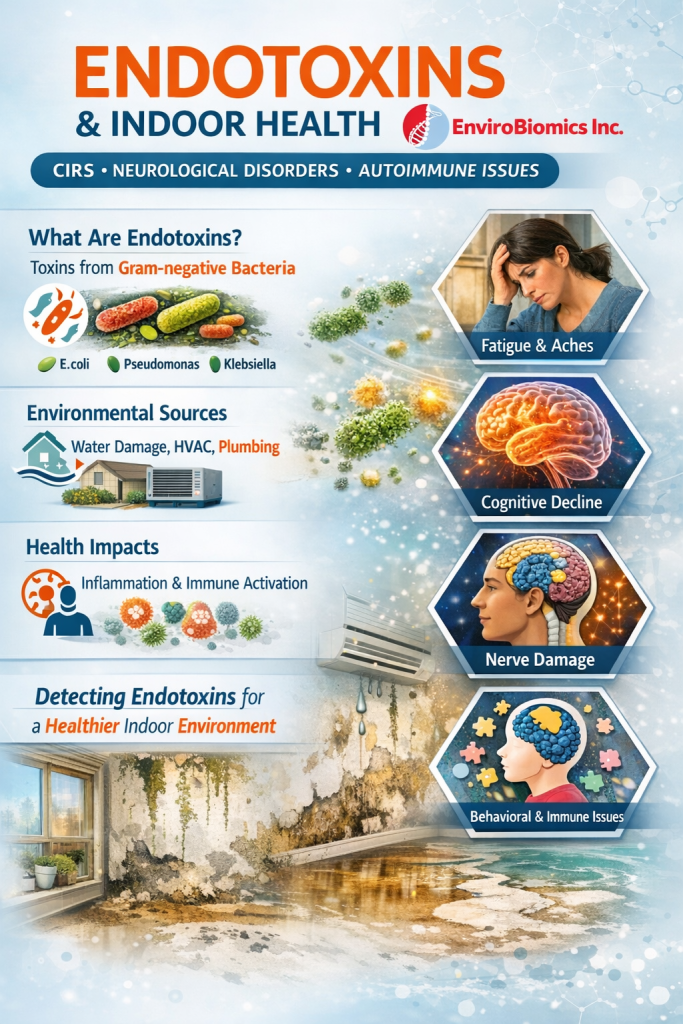
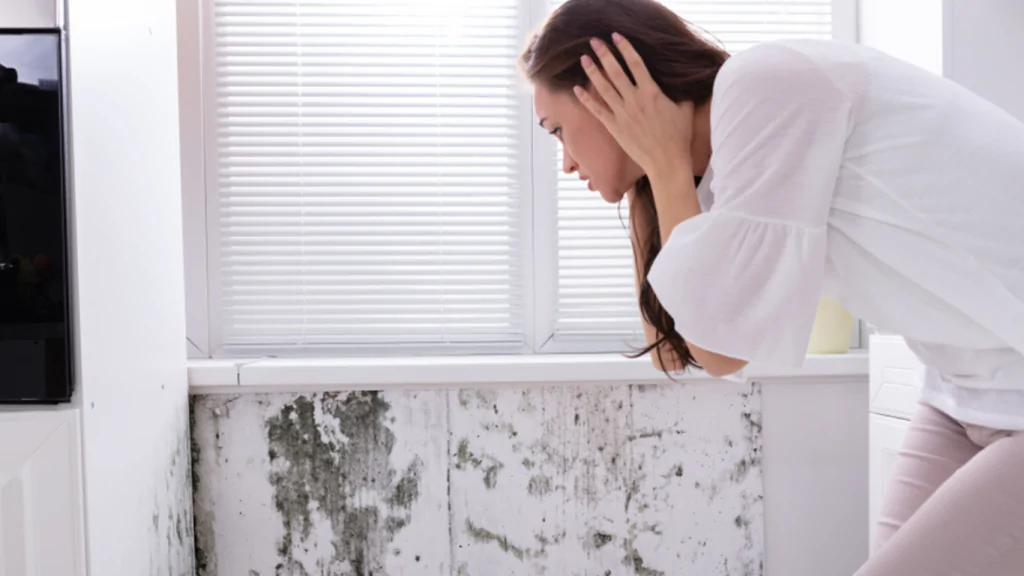
IEPs are skilled at identifying environmental hazards that may pose risks to occupants’ health. These hazards include mold, volatile organic compounds (VOCs), asbestos, lead, radon, and other harmful substances. By conducting thorough inspections and sample testing, IEPs can determine the presence and severity of these hazards. - Development of Remediation Strategies:
Once hazards have been identified, IEPs work closely with building owners, occupants, and other professionals to develop effective remediation strategies. They provide guidance on implementing proper ventilation systems, managing moisture issues, performing mold remediation, removing asbestos-containing materials, and other necessary steps to improve indoor environmental conditions. - Risk Communication:
IEPs play a vital role in communicating risks associated with indoor environmental hazards to both building occupants and owners. They educate people about potential health effects, guide them on preventive measures, and explain the importance of maintaining good indoor air quality. Effective risk communication helps foster a better understanding of the issues and encourages proactive actions towards creating healthier living and working spaces. - Compliance with Standards and Regulations:
IEPs possess up-to-date knowledge of relevant standards, regulations, and guidelines related to indoor environmental quality. They ensure that buildings conform to these requirements, helping organizations and individuals maintain a safe and healthy indoor environment within legal frameworks.
Conclusion:
Indoor Environmental Professionals (IEPs) are essential contributors to ensuring healthy indoor environments. With their expertise in assessing air quality, identifying hazards, developing remediation strategies, and promoting risk communication, IEPs play a crucial role in reducing exposure to indoor environmental pollutants. By collaborating with IEPs, homeowners, building managers, and employers can take proactive measures to protect the health and well-being of their occupants. Ultimately, the work of IEPs contributes to creating safer and more sustainable indoor environments for everyone to thrive in.