Understanding the Causes and Solutions for Mold in Toilets
Mold, with its unsightly appearance and musty odor, is an unwelcome guest in any home. When it takes up residence in the bathroom, particularly in and around the toilet area, it not only mars the aesthetics but also raises concerns about hygiene and health. Understanding the causes and solutions for mold in toilets is essential for effective remediation and prevention.
Causes of Mold in Toilets:
1. Moisture Accumulation: Bathrooms, by their very nature, are prone to high humidity levels due to frequent use of water. Moisture accumulation, especially in areas around the toilet, provides an ideal breeding ground for mold spores to flourish.
2. Poor Ventilation: Inadequate ventilation exacerbates moisture buildup by trapping humid air indoors. Without proper airflow to facilitate drying, moisture lingers, creating conditions conducive to mold growth.
3. Leaks and Seepage: Hidden leaks in plumbing fixtures or seals around the toilet can introduce water into the surrounding areas, promoting mold growth over time. Even minor leaks, if left unaddressed, can lead to significant mold infestations.
4. Organic Matter: Mold requires organic material to thrive, and bathrooms provide ample sources such as soap scum, hair, and other debris. These organic residues serve as nutrients for mold, accelerating its growth and colonization.
Solutions for Mold in Toilets:
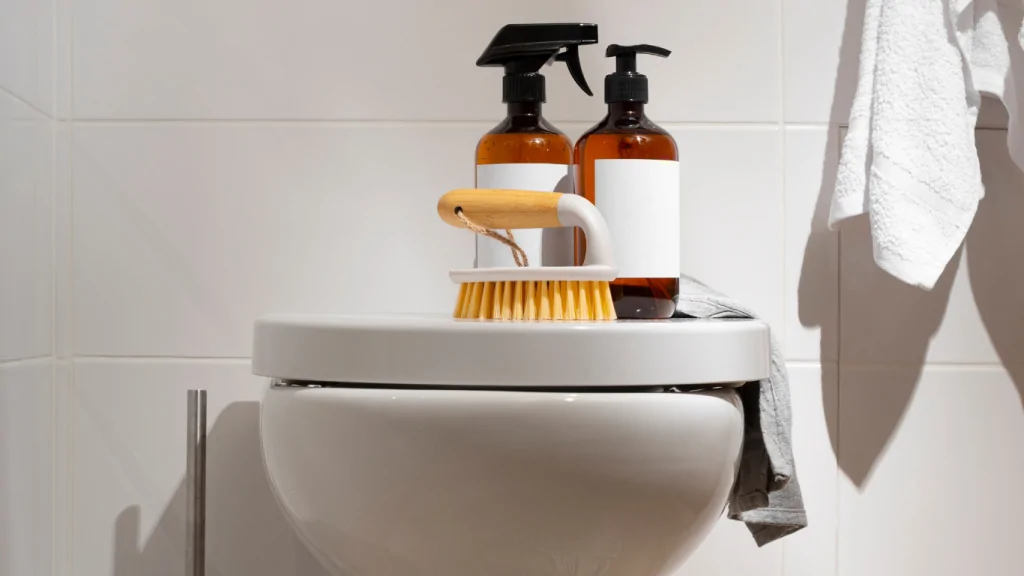
1. Regular Cleaning: Prevention is the first line of defense against mold growth. Regular cleaning and maintenance of toilet surfaces, including the bowl, tank, and surrounding areas, help remove organic matter and inhibit mold proliferation.
2. Proper Ventilation: Improving ventilation is crucial for reducing moisture levels in the bathroom. Installing exhaust fans or opening windows during and after showering helps to expel humid air and promote drying.
3. Addressing Leaks: Promptly address any leaks or seepage around the toilet or plumbing fixtures. Inspect for signs of water damage and repair any faulty seals, pipes, or connections to prevent moisture intrusion.
4. Use of Mold-resistant Materials: Consider using mold-resistant paint, caulking, and grout in bathroom renovations to deter mold growth. These specialized materials contain additives that inhibit the growth of mold and mildew.
5. Dehumidification: In areas with persistent moisture issues, such as poorly ventilated bathrooms or basements, using a dehumidifier can help maintain optimal humidity levels and inhibit mold growth.
6. Professional Remediation: In cases of extensive mold infestation or recurring problems, seeking professional mold remediation services may be necessary. Mold remediation experts possess the expertise and equipment to safely and effectively eliminate mold and address underlying moisture issues.
In conclusion, mold in toilets is a common problem stemming from moisture accumulation, poor ventilation, leaks, and organic matter. By implementing proactive measures such as regular cleaning, proper ventilation, and addressing moisture sources, homeowners can mitigate the risk of mold growth and maintain a clean and healthy bathroom environment.